ANCUK PIXEL - SHIBA PIXELATE CONCEPT: What to Check Before You Download, Edit, or Use It
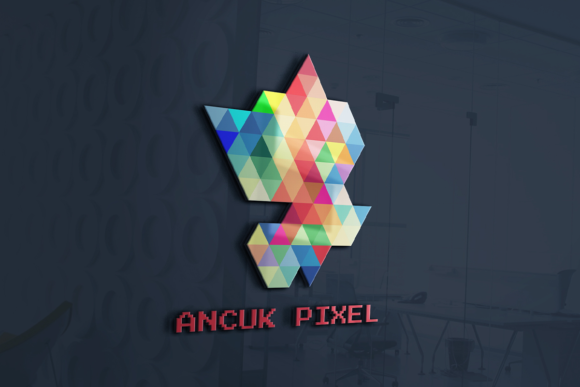
The ANCUK PIXEL - SHIBA PIXELATE CONCEPT is a pixel-style logo template built around one of the most recognizable mascots in digital culture: the Shiba Inu. Rendered in a deliberate pixelated aesthetic and delivered as a premium vector template, it appeals to creators who want a retro-inspired look without sacrificing modern scalability. Whether you are a freelancer designing merchandise, a small business owner building a brand identity, or a hobbyist experimenting with visual concepts, this template offers a useful starting point. But like any digital asset, the value you get from it depends heavily on how you handle it before and after download.
What the ANCUK PIXEL - SHIBA PIXELATE CONCEPT Actually Delivers
At its core, this concept is a logo template that combines the charm of pixel art with the practicality of vector formats. The files come as AI and EPS, both fully resizable without quality loss. The text layers are fully editable, the colors can be changed with minimal effort, and a free font is included to keep the intended look intact. That combination—pixel aesthetics with vector flexibility—is exactly what makes this template attractive. You get the nostalgic feel of early video game graphics, but you also get the precision and adaptability that modern print and digital work demand.
However, the phrase "pixelate concept" sometimes leads people to misunderstand the nature of the file. Pixel art is often associated with raster images that blur or break when scaled. This template avoids that problem because it is vector-based, but that also means you cannot treat it like a simple PNG or JPEG. You need software that can open AI or EPS files, and you need a basic understanding of how vector objects work. If you skip that preparation, you may end up frustrated or with a result that looks nothing like the preview.
Mistake One: Confusing Pixel Art with Raster Limitations
A common misunderstanding is that because the design looks pixelated, the file itself must be low resolution or fixed in size. In reality, the ANCUK PIXEL - SHIBA PIXELATE CONCEPT is built from vector shapes that mimic pixels. You can scale it to fit a business card or a billboard without degradation. But if you open the file in a raster-only editor, you will lose that advantage. Always use vector-compatible software such as Adobe Illustrator, Affinity Designer, or CorelDRAW. If you try to edit an EPS in a photo editor that rasterizes the content, you will end up with a flat image that cannot be resized cleanly later. The practical fix is simple: confirm your editing tool supports vector paths before you start.
Mistake Two: Overlooking the Editable Text Feature
The template includes editable text layers, which means you can replace the placeholder wording with your own brand name, tagline, or label. This is one of its strongest selling points, yet many users either leave the text as-is or try to copy the style manually from scratch. Neither approach makes sense. If you leave the default text, you miss the chance to make the design your own. If you try to recreate the look manually, you waste time and risk mismatching the font or spacing. Instead, open the file, locate the text layers in the layers panel, and simply type your own content. The included free font ensures the style stays consistent. Just make sure you install the font before opening the file so that the text renders correctly from the start.
Mistake Three: Ignoring the Included Font and Using Substitutes
The template comes with a free font that is specifically chosen to match the pixel aesthetic of the Shiba design. Some users skip installing that font and allow their software to substitute a default typeface. The result is almost always disappointing: the pixel vibe gets diluted, spacing goes off, and the overall composition looks unbalanced. The correction is easy. Download and install the font before you open the template file. If you are sharing the file with a collaborator or client, include the font folder or at least outline the text layers before sending, so the typography stays intact regardless of what fonts the recipient has installed.
Mistake Four: Changing Colors Without Understanding the Layer Structure
One of the advertised benefits of this concept is that colors are easy to change. That is true, but only if you know which layers control which parts of the design. The pixel blocks are likely grouped or arranged in a specific way to create the Shiba silhouette and facial features. If you select everything and apply a uniform color, you will lose the definition that makes the design recognizable. Instead, take a moment to expand the layer groups and identify which paths correspond to the background, the fur, the ears, the eyes, and the nose. Change each group individually so that the contrast and shape remain clear. For example, keeping the eyes dark and the muzzle lighter will preserve the character even if you switch to a completely different color palette.
Mistake Five: Resizing the Artboard Without Resizing the Artwork
When you open the file, the artboard may be set to a specific size, such as a square format for social media profiles or a landscape layout for banners. Some users adjust the artboard dimensions without scaling the vector artwork, which results in either cropped elements or excessive empty space. The better approach is to select all vector objects and scale them proportionally before or while adjusting the artboard. Because these are vectors, you can drag the corners while holding the Shift key to maintain aspect ratio. This keeps the Shiba design centered and properly sized for whatever output you need, whether that is a website header, a t-shirt print, or a sticker.
Mistake Six: Not Checking File Format Compatibility with Your Workflow
The template is available as AI and EPS files. While both are widely supported, not all versions of design software can open every format variant. An AI file created in a newer version of Illustrator may not open in an older release. An EPS file might import differently into Affinity Designer than it does into CorelDRAW. Before purchasing or downloading, verify that your software version is compatible with the file format offered. If you are unsure, look for a specification list on the product page or contact the seller. A few minutes of checking now can save you from needing to request a format conversion later.
Mistake Seven: Using the Template Without a Backup or Original Copy
Once you start editing, it is easy to overwrite the original file. If you save changes directly over the downloaded AI or EPS, you lose the ability to revert to the clean template. This becomes a problem if you decide later that you want a different color scheme or need to reuse the template for another project. Always duplicate the file before you begin. Keep the original untouched in a dedicated folder, and work on a copy. That way, you always have a fresh starting point available, and you can experiment freely without risk.
Mistake Eight: Assuming the Template Works Automatically for Every Medium
While the vector format is flexible, you still need to consider the medium where the logo will appear. A design that looks perfect on a screen may need adjustments for embroidery, engraving, or screen printing. The pixelated style of the ANCUK PIXEL - SHIBA PIXELATE CONCEPT is relatively forgiving because the blocky shapes simplify detail, but you should still test the logo at the actual output size. Check that small text remains readable and that thin pixel gaps do not fill in when printed. If you are sending the file to a printer, ask what format they prefer and whether they need outlines or embedded fonts.
Mistake Nine: Neglecting to Attribute or License Check
Premium templates often come with specific usage rights. Some allow commercial use, others restrict it, and some require attribution. Before using the logo for a business, product, or marketing material, read the license terms that came with the download. This is especially important if you are a freelancer or agency creating logos for clients. Using a template without the proper license can lead to disputes or legal issues down the road. If the license is unclear, contact the seller for clarification. Taking this step protects your work and your reputation.
Practical Advice for Getting the Most Out of This Concept
Start by installing the free font and opening the file in a vector editor that you are comfortable with. Explore the layer structure so you understand how the pixel blocks are organized. Make small color adjustments first to test how the design responds, then move on to replacing the text and resizing the artboard. Save your working file in the native format of your software so that you retain full editability, and export copies in PNG or SVG for final use. If you are using the logo for multiple purposes, create variations—a full-color version, a one-color version, and a reversed version for dark backgrounds.
This template is a practical tool, not a magic solution. The pixel concept gives you a distinctive visual identity, but your decisions about color, typography, sizing, and output format will determine whether that identity looks polished or sloppy. By avoiding the common mistakes outlined here, you can take full advantage of the resizable vectors, editable text, and easy color changes that the ANCUK PIXEL - SHIBA PIXELATE CONCEPT offers. A little care in the preparation phase leads to a result that feels intentional and professional, whether you are launching a brand, designing merchandise, or just having fun with pixel art aesthetics.